Pickup and delivery can expand a laundry business fast, but it also introduces operational chaos if the workflow is not structured properly. Once drivers, time windows, customer addresses, order status and return logistics are added to the business, small communication gaps turn into missed orders, late arrivals and unnecessary fuel costs.
That is why laundry pickup and delivery software has become a serious growth tool rather than a nice extra. For laundries competing on convenience, route visibility and communication are now part of the customer experience.
Where delivery operations usually go wrong
Most delivery problems do not start on the road. They start with weak planning.
Common issues include:
- drivers leaving without a clear route priority
- pickup requests being recorded in separate chats, calls and notes
- customers not being updated when timings change
- orders reaching the branch without proper status visibility
- return deliveries being delayed because processing and logistics are disconnected
The result is costly. Teams spend more on fuel, drivers handle fewer stops per shift, staff waste time answering status enquiries, and customers become less tolerant of delays.
What laundry pickup and delivery software should do
Good delivery software should connect the front-end promise to the back-end workflow. It should not just store addresses. It should help the business coordinate collection, processing and return without losing control.
A strong system should support:
- centralised order creation and dispatch planning
- clear pickup and delivery status tracking
- route planning and optimisation
- driver accountability and order handoff visibility
- automated customer updates through channels such as SMS or WhatsApp
- branch and management reporting on delays, volume and fulfilment
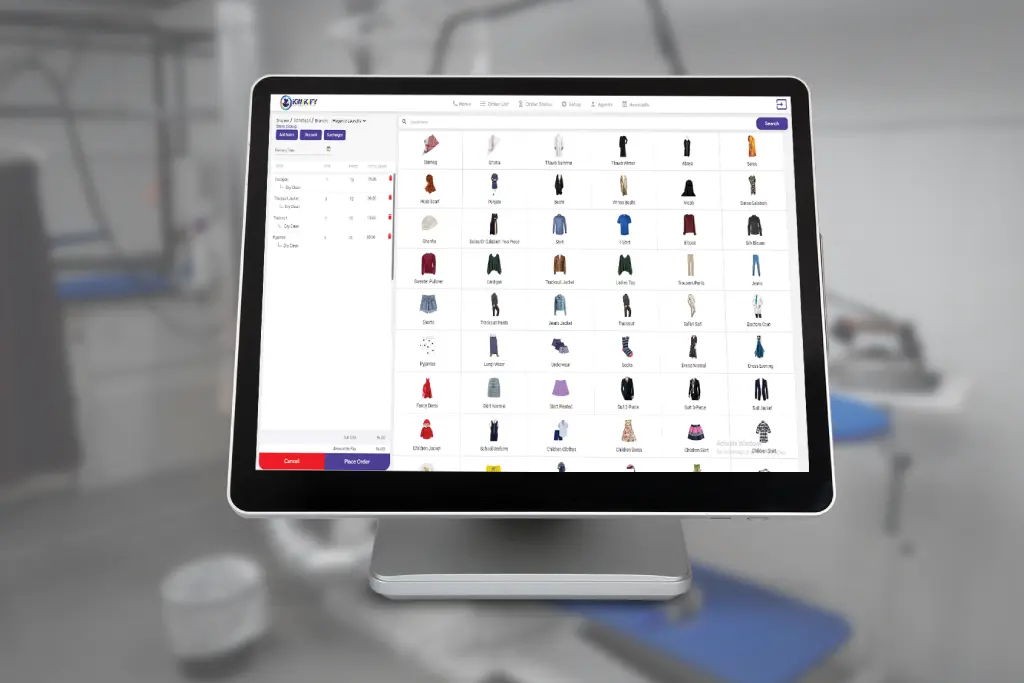
Kwikify’s feature set is built around these exact operating needs, including logistics, route planning, status tracking and customer communication.
Why route planning matters more than most laundries think
If your drivers follow familiar routes based on habit rather than live planning, you are almost certainly losing margin. Extra distance, repeated backtracking and poorly grouped pickups look small on individual trips, but across a week they consume fuel, labour time and available capacity.
Route optimisation helps you:
- fit more stops into the same shift
- reduce wasted mileage
- cluster nearby pickups and returns more logically
- keep realistic delivery windows
- respond faster when demand shifts between areas
This matters even more for laundries scaling into subscriptions, business accounts or multi-branch delivery coverage. Once delivery becomes a major sales channel, poor routing is no longer an inconvenience. It is a margin problem.
How software improves customer trust
Customers are often more forgiving of a delay than of silence. When they know an order has been collected, is in processing or is out for delivery, the experience feels more controlled. Without updates, every delay feels like uncertainty.
That is why automated communication matters. Status notifications reduce incoming calls, lower front-desk pressure and make the service feel more professional.
This links directly to retention. If you want customers to keep using your service, delivery convenience needs to feel dependable. That is also why the principles in From First-Time Customers to Loyal Fans: A Guide for Laundries matter so much in delivery-led models.
How to spot whether your delivery workflow is leaking money
Many laundries know delivery is busy, but they do not know whether it is efficient. Watch for these signs:
- drivers regularly return with incomplete runs
- customers call often to ask where their order is
- teams cannot explain why a pickup was missed
- fuel spend is rising faster than delivery revenue
- managers have no easy view of route productivity
If any of these are familiar, you likely need better workflow control rather than just more drivers.
A practical rollout plan
Do not overcomplicate the rollout. Start by standardising one service area or one driver team:
- centralise all pickup requests in one system
- assign route planning from a single dashboard
- track every order from booking to return
- turn on customer notifications for key status points
- measure missed stops, average route size and delay rates weekly
Once the process is stable, extend it to more territories or branches.
Why this matters commercially
Convenience is one of the strongest reasons a customer chooses a laundry service. But convenience only works when the operational side is under control. Delivery software helps you protect that promise without creating manual overhead behind the scenes.
If your business is already working on broader operational efficiency, this is a strong companion topic to 5 Ways to Boost Your Laundry’s Operational Efficiency. Better delivery workflow is one of the clearest ways to reduce friction and increase service capacity.
Final word
Laundry pickup and delivery software is no longer optional for ambitious operators. It helps you cut delays, reduce missed orders, keep customers informed and make each delivery shift more profitable.
If you want to run a delivery-first or hybrid laundry business without route chaos and constant status chasing, talk to Kwikify about a smarter operating setup.